I Am Sober היא אפליקציה חינמית שעוזרת לכם להשיג בחזרה קצת שליטה בחיים שלכם.
הפסקת סבילות לקנאביס: איך לתכנן ולהתמיד עד הסוף
עודכן לאחרונה: 5 באוקטובר 2026פעם הספיקו שאיפה או שתיים. עכשיו צריך הרבה יותר, וההשפעה כבר לא אותה השפעה. ההוצאות מצטברות, ובחלק מהערבים היד כבר נשלחת לקנאביס עוד לפני שהחלטתם במודע לצרוך. אתם לא בטוחים שאתם רוצים להפסיק לתמיד, אבל רוצים לדעת איך ירגישו כמה שבועות בלעדיו.
בשביל זה נועדה הפסקת סבילות. בוחרים תאריך התחלה ומשך זמן, ונמנעים מקנאביס עד לסיום. המדריך הזה מסביר כמה זמן כדאי להפסיק, למה לצפות, איך לעבור את השבוע הראשון ואיך להחליט מה הלאה.
הגרסה הקצרה. אם אתם צורכים ברוב הימים, תכננו הפסקה של 3 עד 4 שבועות. המדריך להפסקת סבילות של אוניברסיטת ורמונט ממליץ על כ־21 יום. שני מחקרי הדמיה מוחית בקרב אנשים שצרכו קנאביס באופן כרוני מצאו שאחרי שהפסיקו, הקולטנים הקנבינואידיים שלהם חזרו לרמה דומה לזו של מי שאינם צורכים. לפי מחקר אחד, ההבדל כבר לא היה ניכר אחרי יומיים של התנזרות בפיקוח, וגם אחרי 28 יום הוא עדיין לא היה ניכר. לפי המחקר האחר, צפיפות הקולטנים חזרה לרמה תקינה אחרי כ־4 שבועות. לוח הזמנים האישי תלוי בכמות שצרכתם, בתדירות ובעוצמת הקנאביס. גם הפסקה קצרה יותר מראה מתי ולמה אתם פונים לקנאביס. בחרו משך זמן שתוכלו להשלים, והחליטו מה יקרה בהמשך לפני שההפסקה מסתיימת.
מהי הפסקת סבילות?
הפסקת סבילות, או T-break, היא הפסקה מתוכננת מקנאביס עם תאריך סיום. אנשים עושים אותה כדי להוציא פחות כסף, לישון טוב יותר, לבדוק אם הריכוז או מצב הרוח משתנים, או להבין עד כמה הם נשענים על קנאביס. המטרה היא לראות את דפוסי הצריכה בבירור ולבחור מה יקרה בהמשך. יש שחוזרים לצרוך לאחר מכן, ויש שמחליטים שסיימו.
סבילות מתפתחת כששימוש קבוע ב־THC מפחית את מספר הקולטנים הקנבינואידיים הזמינים במוח, ולכן נדרשת כמות גדולה יותר כדי להרגיש את אותה השפעה פסיכואקטיבית. השינוי הזה יכול להתהפך אחרי שמפסיקים. החלק הבא מסביר באיזו מהירות.
כמה זמן צריכה להימשך הפסקת סבילות?
אם אתם צורכים ברוב הימים, UVM ממליצה על כ־21 יום, מאחר שלוקח כשלושה שבועות או יותר עד שה־THC יוצא מהגוף. אם אתם צורכים לעיתים רחוקות יותר, אפשר לבחור הפסקה קצרה יותר ועדיין לקבל חלק מאותן תוצאות.
שני מחקרי ההדמיה מספקים לוח זמנים של השינויים במוח. במחקר הראשון נסרקו 11 גברים עם תלות בקנאביס ו־19 אנשים שאינם משתמשים. בתחילת המחקר, זמינות הקולטנים הקנבינואידיים אצל 11 הגברים הייתה נמוכה בכ־15%. אחרי יומיים של התנזרות בפיקוח, ההבדל כבר לא היה ניכר, וגם אחרי 28 יום עדיין לא היה הבדל מובהק.
במחקר השני נמצאה צפיפות קולטנים נמוכה יותר בקליפת המוח של אנשים שעישנו קנאביס באופן כרוני, וגודל השינוי היה קשור למספר השנים שבהן עישנו. אחרי כ־4 שבועות של התנזרות בפיקוח רציף ביחידת מחקר, צפיפות הקולטנים שלהם חזרה לרמה תקינה.
אף אחד מהמחקרים אינו יכול לנבא איך מנה מסוימת תשפיע עליכם, משום שזמינות הקולטנים היא מדד מוחי. המחקר הראשון היה קטן וכלל גברים בלבד.
הנה מה שכל משך זמן יכול לתת לכם.
2 עד 3 ימים
משך כזה קוטע את ההרגל האוטומטי ומראה באילו שעות אתם פונים לקנאביס. במחקר ההדמיה הראשון, ההבדל בין הקולטנים כבר נעלם עד היום השני. ההפסקה תסתיים לפני שתסמיני הגמילה, אם יופיעו, יגיעו לשיא.
שבוע אחד
משך כזה מעביר אתכם דרך הימים הראשונים של תסמיני גמילה, אם הם מופיעים. התסמינים מתחילים בדרך כלל בתוך יום או יומיים ומגיעים לשיא בין היום השני לשישי.
שבועיים
אצל אנשים רבים, משך כזה מעביר אתכם מעבר לשיא. הבקרים נוטים להרגיש צלולים יותר, אם כי השינה עדיין יכולה להיות לא יציבה.
3 שבועות
זהו משך הזמן ש־UVM ממליצה עליו למי שצורכים ברוב הימים. אצל אנשים רבים תסמיני הגמילה כבר נחלשו בשלב הזה, אם כי אצל מי שצרכו הרבה עדיין יכולים להיות תסמינים.
4 שבועות או יותר
משך כזה מכסה את מלוא תקופת המעקב בשני מחקרי ההדמיה: 28 יום במחקר אחד וכ־4 שבועות באחר. בשלב הזה הקולטנים חזרו לרמות דומות לאלה של מי שאינם צורכים. חודש מלא גם מאפשר לבחון איך אתם מרגישים בלי קנאביס.
העצה שלנו היא לבחור משך זמן שתוכלו להשלים. הפסקה של שלושה שבועות שהשלמתם מלמדת יותר מחודש שנקטע ביום הרביעי. אם תמשיכו חודש מלא, המדריך שלנו 30 יום ללא קנאביס ילווה אתכם לאורך התקופה, שלב אחר שלב. התייחסו לכל המספרים כאן כהנחיה בלבד, משום שההיסטוריה האישית שלכם עם קנאביס קובעת את הקצב.
הכינו את ההפסקה
-
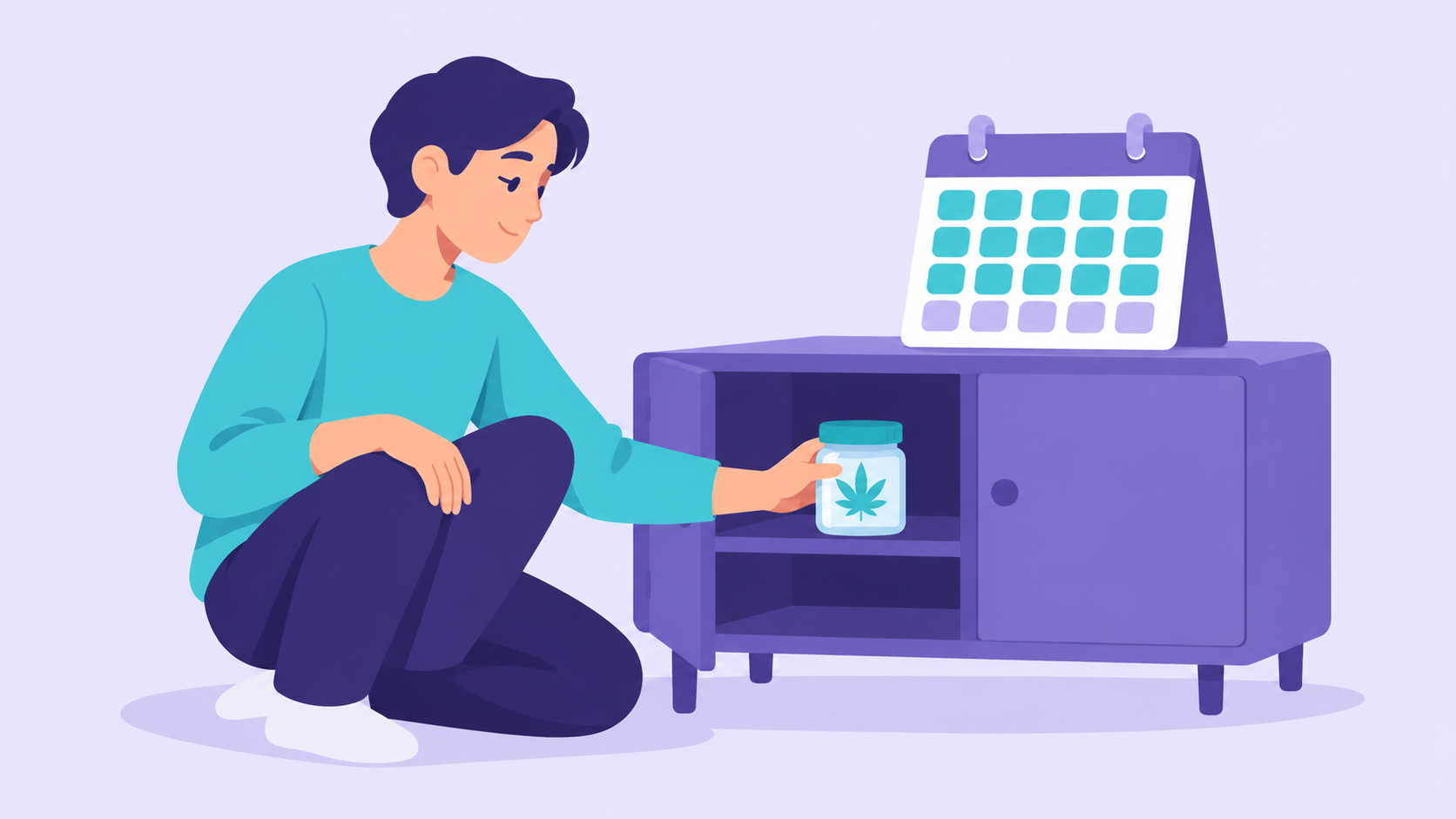
בחרו תאריך התחלה ומשך זמן, וכתבו אותם. הניחו במקום שבו היה מלאי הקנאביס פתק עם תאריך הסיום.
-
הגדירו את תאריך ההתחלה ב־I Am Sober. ספירת הימים, הכסף שנחסך וציוני הדרך מתחילים ביום הראשון, כך שאפשר לראות את הימים ואת החיסכון מצטברים.
-
החליטו מה נכלל. פרחי קנאביס, מוצרי אידוי, דאבים, מוצרי מאכל ומוצרי דלתא־8 מכילים כולם THC. אם תשאירו אחד מהם מחוץ להפסקה, אתם עורכים בדיקה אחרת.
-
כתבו את הסיבה שלכם. להוציא פחות, לישון טוב יותר, להתרכז בבהירות או להבין עד כמה אתם נשענים על קנאביס. בחרו את הסיבה שעדיין תהיה חשובה ביום הרביעי. כשמתעורר רצון לצרוך, יכול לעזור מאוד אם הסיבה להפסקת הסבילות כתובה במקום שאפשר להביט בו.
-
פנו את מלאי הקנאביס ואת הציוד. ככל שהם קרובים יותר, כך קשה יותר להימנע מהם.
-
ספרו לאדם אחד, במיוחד אם אתם רגילים לצרוך יחד, ואמרו לו מה אתם צריכים ממנו.
-
שימו לב לתחליפים. אם אתם מבחינים שאתם שותים יותר או פונים למשהו אחר כדי למלא את הזמן, כתבו זאת. זה חלק ממה שאתם לומדים.
למה לצפות במהלך הפסקת סבילות
אם אתם צורכים בקביעות, צפו לכך שהשבוע הראשון יהיה הקשה ביותר. לפי סקירה משנת 2020 ב־JAMA Network Open, כמחצית מהצרכנים הקבועים או התלויים חווים תסמיני גמילה כלשהם, והם נפוצים יותר בצריכה יומית.
התסמינים מתחילים בדרך כלל 24 עד 48 שעות אחרי הצריכה האחרונה ומגיעים לשיא בין היום השני לשישי, לפי סקירה קלינית משנת 2022 ב־Addiction. התסמינים הנפוצים הם עצבנות, אי־שקט, קשיי שינה, חלומות עזים, חרדה וירידה בתיאבון. ב־I Am Sober, אנשים שהפסיקו קנאביס דירגו כמעט יום אחד מכל ארבעה במהלך שלושת הימים הראשונים כקשה או כמעט בלתי אפשרי. בשבוע האחרון של החודש הנתון היה בערך יום אחד מכל עשרה. המדריך שלנו על תסמיני הגמילה מקנאביס ולוח הזמנים שלהם מסביר את התסמינים בפירוט.
המדריך של UVM מחלק הפסקה של שלושה שבועות לנושאים, וזו דרך נוחה לקבוע את הקצב:
-
שבוע 1: הגוף. שינה, תיאבון, דחפים ומילוי השעות שבהן הייתם צורכים בדרך כלל. זה השבוע שדורש את התכנון הרב ביותר.
-
שבוע 2: הרגשות. רגשות שהקנאביס נהג לעמעם יכולים להתעורר בעוצמה רבה יותר. שעמום, לחץ ואי־שקט נפוצים.
-
שבוע 3: קשר. כשהחלק הגופני ברובו מאחוריכם, המיקוד עובר לקשר עם עצמכם ועם אנשים אחרים. זה שבוע טוב לפגוש חברים בלי קנאביס ולחשוב מה אתם רוצים בהמשך.
השבוע הראשון שלכם
-
תכננו את הערבים. הכינו פעילות מסוימת לזמן שבו הייתם צורכים קנאביס בדרך כלל: אימון, בישול, סדרה עם חברים או הליכה. בכנות, הערבים הראשונים הם בדרך כלל החלק הקשה ביותר.
-
שמרו על השינה. שמרו על שעת יקיצה קבועה, הימנעו מקפאין אחרי 12:00 בצהריים והקדישו זמן להירגע לפני השינה. חלומות עזים נפוצים אחרי ההפסקה. המדריך שלנו על שינה אחרי הפסקת קנאביס מציע שגרה שכדאי לנסות.
-
אכלו לפי לוח זמנים. אם התיאבון יורד, המשיכו לאכול בשעות קבועות ושמרו חטיפים פשוטים בהישג יד.
-
עברו את הדחפים בלי להיכנע. המתינו 15 דקות ושנו את הסביבה לפני שתחליטו דבר. צאו החוצה, זוזו או שלחו הודעה למישהו.
-
כתבו את זה. בסוף כל יום, נסו לכתוב הערה או שתיים על מצב הרוח, השינה והדחפים שהרגשתם. בסוף ההפסקה יהיו לכם רשימות אמיתיות לקרוא.
-
חגגו את היום השביעי. שבוע הוא ציון דרך אמיתי.
אם הייתה מעידה במהלך ההפסקה
אם הייתה מעידה, כל יום שכבר השקעתם עדיין נחשב. אתם גם לא לבד: בקרב אנשים שכתבו סקירות יומיות ב־I Am Sober, בערך אחד מכל שבעה סימן מעידה בשבוע הראשון, ושני שלישים מהם חזרו בתוך 30 יום.
חזרו למה שקרה כל עוד הזיכרון טרי. מה הייתה השעה? מה הרגשתם ועם מי הייתם? האם עדיין הייתה בבית מחסנית THC או מוצר קנאביס אכיל? אחר כך בחרו: להתחיל מחדש את הספירה, או להמשיך את ההפסקה מהמקום שבו עצרתם. שתי האפשרויות בסדר. קודם כול, שנו דבר אחד בתוכנית. ב־I Am Sober אפשר לתעד את המעידה ולהוסיף הערה על מה שהוביל אליה.
כשההפסקה מסתיימת: החליטו מה הלאה
היום האחרון של ההפסקה הוא זמן טוב לבדוק מה שלומכם. לפני שתחליטו דבר, כתבו תשובות לכמה שאלות:
-
איך הרגשתי בלי קנאביס? מה השתנה בשינה, באנרגיה, במצב הרוח, בריכוז ובכסף?
-
עד כמה זה היה קשה? האם הדחפים נחלשו, או שעדיין היו חזקים ביום האחרון?
-
האם הקנאביס חסר לי, או השגרה שסביבו?
-
איזה מקום אני רוצה שיהיה לקנאביס בחיים שלי, אם בכלל?
המדריך של UVM מסתיים באותה דרך: בהחלטה איך תרצו שהצריכה שלכם תיראה ובתזכורת לסיבה שבגללה התחלתם. מכאן יש שלוש אפשרויות עיקריות.
-
המשיכו בלי קנאביס. אם אהבתם את ההרגשה, הימים הקשים ביותר כבר מאחוריכם. המדריך שלנו על איך להפסיק קנאביס ממשיך מהמקום שבו הפסקת הסבילות מסתיימת, עם תוכנית לערבים, לסופי שבוע ולדחפים.
-
חזרו לצרוך מתוך החלטה מודעת. הסבילות שלכם כנראה תהיה נמוכה יותר מכפי שאתם זוכרים, ולכן הכמות הקודמת יכולה להשפיע בעוצמה רבה בהרבה. התחילו בכמות נמוכה ממנה במידה ניכרת, ובמוצרי מאכל המתינו זמן נוסף לפני שתצרכו עוד.
-
קחו עוד זמן. האריכו את ההפסקה, או קבעו תאריך להפסקה הבאה.
אם ההפסקה הרגישה קשה בהרבה מכפי שציפיתם, או שלא הצלחתם לעבור את הימים הראשונים למרות שבאמת ניסיתם, שימו לב לכך. קראו האם קנאביס ממכר? כדי לבחון את הצריכה שלכם מקרוב יותר, ושקלו לדבר עם רופא או יועץ. בארצות הברית, קו הסיוע הלאומי של SAMHSA (1-800-662-4357) הוא חינמי וסודי.
שאלות נפוצות
איך עושים הפסקת סבילות?
בחרו תאריך התחלה ומשך זמן, כתבו את הסיבה שלכם והחליטו מה נכלל בהפסקה: פרחי קנאביס, מוצרי אידוי, דאבים, מוצרי מאכל ומוצרי דלתא־8 נכללים כולם. פנו את מלאי הקנאביס, ספרו לאדם אחד ותכננו את הערבים. לאחר מכן עקבו אחר כל יום כדי לראות את ההפסקה מצטברת.
כמה זמן צריכה להימשך הפסקת סבילות?
אם אתם צורכים ברוב הימים, המדריך להפסקת סבילות של אוניברסיטת ורמונט ממליץ על כ־21 יום. שני מחקרי הדמיה מצאו שהקולטנים חזרו לרמות דומות לאלה של מי שאינם צורכים בתוך כ־4 שבועות. לכן 3 עד 4 שבועות הם יעד סביר למי שצורכים ברוב הימים. גם הפסקות קצרות יותר, מיומיים עד שבועיים, קוטעות את השגרה ומראות מתי אתם פונים לקנאביס. בחרו משך זמן שתוכלו להשלים.
כמה זמן לוקח לאפס את הסבילות?
שני מחקרי הדמיה מוחית בקרב אנשים שצרכו קנאביס באופן כרוני מספקים לוח זמנים. במחקר אחד, ההבדל בזמינות הקולטנים הקנבינואידיים בין גברים עם תלות בקנאביס לבין מי שאינם צורכים כבר לא היה ניכר אחרי יומיים של התנזרות בפיקוח, וגם אחרי 28 יום עדיין לא היה הבדל מובהק. במחקר האחר, צפיפות הקולטנים חזרה לרמה תקינה אחרי כ־4 שבועות של התנזרות בפיקוח רציף. המדריך להפסקת סבילות של אוניברסיטת ורמונט ממליץ על כ־21 יום למי שצורכים ברוב הימים. לוח הזמנים האישי תלוי בכמות שצרכתם, בתדירות ובעוצמת הקנאביס. זמינות הקולטנים היא מדד מוחי, ולכן אינה יכולה לנבא איך מנה מסוימת תשפיע עליכם.
האם הפסקת סבילות של 48 שעות עובדת?
היא קוטעת את ההרגל, ובמחקר הדמיה אחד ההבדל בין הקולטנים של גברים עם תלות בקנאביס לבין אלה של מי שאינם צורכים כבר לא היה ניכר אחרי יומיים. במחקר השתתפו 11 אנשים שעברו התנזרות בפיקוח, ומחקר שני מצא שצפיפות הקולטנים חזרה לרמה תקינה אחרי כ־4 שבועות. ההפסקה גם תסתיים בדיוק בזמן שבו תסמיני הגמילה מתחילים בדרך כלל: 24 עד 48 שעות אחרי הצריכה האחרונה, כשהשיא מגיע בין היום השני לשישי. אם אתם צורכים ברוב הימים, UVM ממליצה על כ־21 יום.
מה קורה במהלך הפסקת סבילות?
אם אתם צורכים בקביעות, ייתכן שבשבוע הראשון תרגישו עצבנות, אי־שקט או חרדה, תישנו פחות טוב, תחלמו חלומות עזים ותאכלו פחות. אצל אנשים רבים התסמינים נחלשים בשבוע השני.
האם אחווה תסמיני גמילה במהלך הפסקת סבילות?
ייתכן, אם אתם צורכים בקביעות. כמחצית מהצרכנים הקבועים או התלויים חווים תסמיני גמילה כלשהם, וצריכה יומית מגדילה את הסבירות לכך. התסמינים מגיעים בדרך כלל לשיא בשבוע הראשון.
האם הפסקת סבילות זהה להפסקה מוחלטת?
להפסקת סבילות יש תאריך סיום שאתם בוחרים, ואילו להפסקה מוחלטת אין מועד סיום מוגדר. יש אנשים שמשתמשים בהפסקה כדי לבדוק איך הם מרגישים, ויש שמחליטים להמשיך בלי קנאביס.
איך אפשר לעקוב אחר הפסקת הסבילות?
I Am Sober מאפשרת להגדיר תאריך התחלה, לספור כל יום, לעקוב אחר הכסף שנחסך, להתחייב מדי יום, לתעד את מצב הרוח והשינה בסיכום ערב קצר ולסמן ציוני דרך כשמגיעים אליהם.
מקורות:
-
I Am Sober, ניתוח מצרפי של החודש הראשון ללא קנאביס, 2 באוקטובר 2026. שלבי ההיכרות הראשונית עם האפליקציה בין 9 במרץ ל־1 בספטמבר 2026; אירועים עד 1 באוקטובר 2026. הנתונים אנונימיים ומצרפיים; הפעילות באפליקציה מבוססת על דיווח עצמי.
-
University of Vermont Center for Health and Wellbeing, T-Break Guide. https://www.uvm.edu/health/t-break-take-cannabis-tolerance-break
-
D'Souza DC, et al. Rapid changes in cannabinoid 1 receptor availability in cannabis-dependent male subjects after abstinence from cannabis. Biol Psychiatry Cogn Neurosci Neuroimaging, 2016. https://doi.org/10.1016/j.bpsc.2015.09.008
-
Hirvonen J, et al. Reversible and regionally selective downregulation of brain cannabinoid CB1 receptors in chronic daily cannabis smokers. Mol Psychiatry, 2012. https://doi.org/10.1038/mp.2011.82
-
Connor JP, et al. Clinical management of cannabis withdrawal. Addiction, 2022. https://onlinelibrary.wiley.com/doi/10.1111/add.15743
-
Bahji A, et al. Prevalence of Cannabis Withdrawal Symptoms Among People With Regular or Dependent Use of Cannabinoids: A Systematic Review and Meta-analysis. JAMA Netw Open, 2020. https://jamanetwork.com/journals/jamanetworkopen/fullarticle/2764234
-
SAMHSA National Helpline. https://www.samhsa.gov/find-help/helplines/national-helpline
I Am Sober היא אפליקציה חינמית שעוזרת לכם להשיג בחזרה קצת שליטה בחיים שלכם.