I Am Sober is a free app that helps you get some control back in your life.
Alcohol and Sleep: How It Affects REM, Insomnia and Snoring
Last updated: October 2, 2026Alcohol and Sleep: Why Drinking Disrupts Rest
Short answer: does alcohol affect sleep?
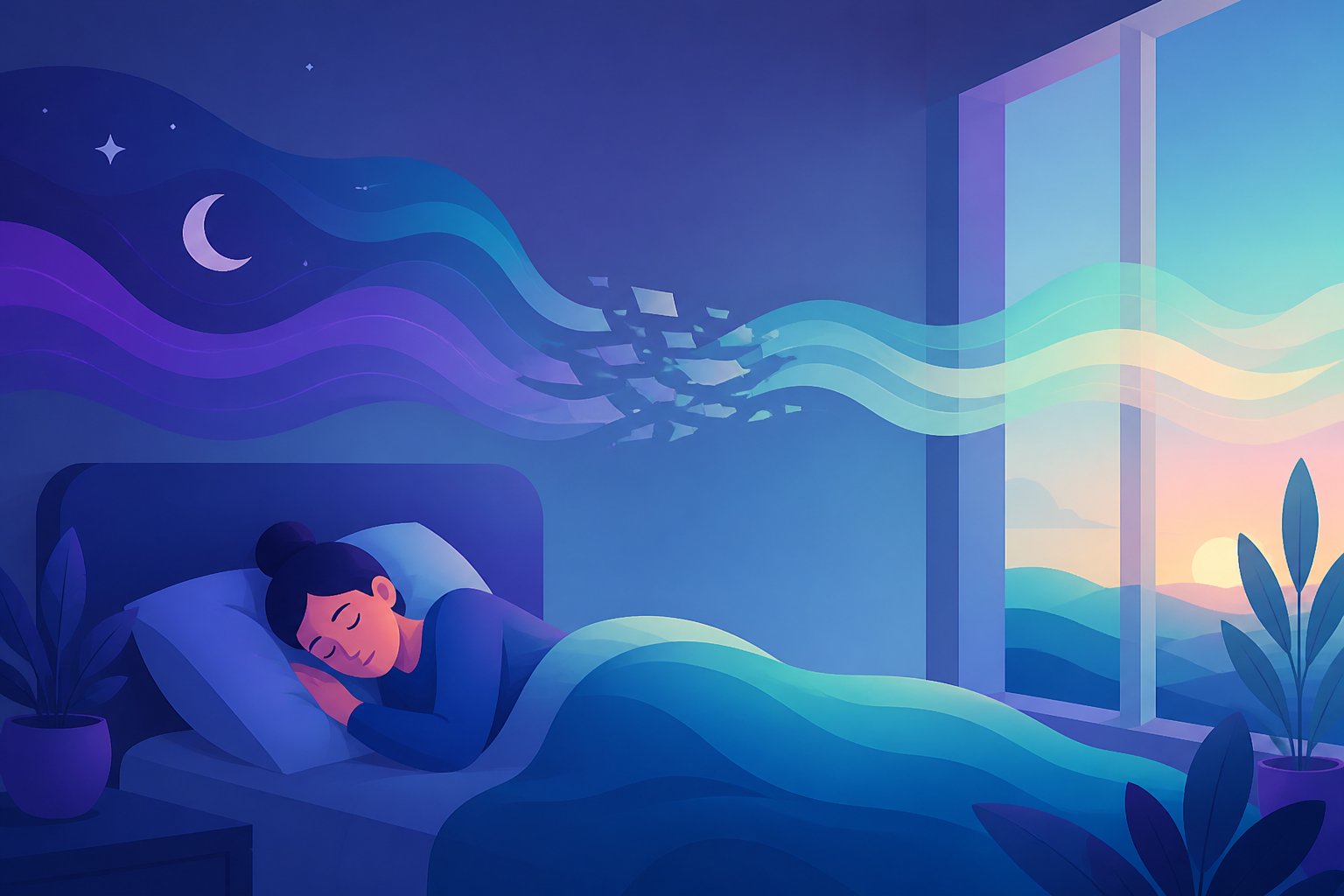
Yes. Alcohol can help you fall asleep faster, but it makes the sleep you get lighter, more broken, and less restorative. It suppresses REM sleep early in the night, then tends to wake you in the second half as it wears off (Sleep Foundation). So you can sleep a full night after drinking and still wake up tired.
Why alcohol makes you sleepy at first
Alcohol is a sedative. A drink or two slows your brain down and can make you feel drowsy, which is why a nightcap seems to work (Sleep Foundation). You may fall asleep faster than usual.
The problem is what happens after you are out. Falling asleep quickly is not the same as sleeping well, and alcohol trades the first for the second.
How alcohol disrupts sleep later
Once your body starts clearing the alcohol, sleep falls apart in a few ways at once:
-
Less REM sleep. Alcohol suppresses REM, the stage tied to memory and emotional processing, and the effect grows with the dose (Sleep Foundation; systematic review and meta-analysis, 2024). Less REM is a big reason you wake up foggy.
-
Second-half waking. Early in the night, alcohol pushes you into deep sleep. Later, as it metabolizes, sleep gets lighter and more broken, and you wake more often (Sleep Foundation).
-
Bathroom trips and dehydration. Alcohol makes you pee more, so a full bladder and a dry mouth pull you out of sleep.
-
A revved-up body. A higher heart rate and body temperature can keep your sleep shallow.
The result is a night that looks like sleep but does not feel like rest.
Alcohol, snoring, and sleep apnea
Alcohol relaxes the muscles in your throat, which narrows your airway. That makes snoring louder and can make sleep apnea worse, including more pauses in breathing during the night (Sleep Foundation).
If you snore heavily, gasp or choke in your sleep, or feel exhausted no matter how long you were in bed, talk to a doctor. Sleep apnea is common, treatable, and worth checking, and alcohol tends to aggravate it.
Alcohol and insomnia
Using alcohol to fall asleep is an easy habit to start and a hard one to sleep through. Because it fragments your sleep and cuts the restorative stages, the nightcap that knocks you out also leaves you less rested, so you feel like you need it again the next night (Sleep Foundation).
Over time, that loop can turn into genuine insomnia, where your body no longer settles without a drink and does not settle well with one either. Breaking the loop is what gets your sleep back.
When sleep gets better after cutting back
The first few nights without alcohol can be rough. If your body was used to a drink before bed, sleep may be restless or broken at first, and vivid dreams are common as REM rebounds. This part is temporary.
Most people find sleep starts to even out over the following days and weeks: falling asleep without help, staying asleep longer, and waking up more rested. There is no exact timeline, and how fast it comes back depends on how much and how long you drank. Give it a little patience through the early nights.
See what 280,000+ people reported in their first month without alcohol
This free guide is built from real first-month check-ins by more than 280,000 I Am Sober members quitting or cutting back on alcohol. Select how often and how much you drink to see when hard days, urge moments, restarts, and mood shifts most often showed up for people with similar habits.
What to track
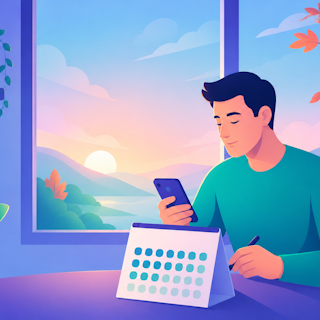
Sleep is one of the easiest benefits to actually see, if you write it down. Worth logging:
-
Alcohol-free days. Which nights you drank and which you did not.
-
Bedtime and wake time. When you went down and when you got up.
-
Night wakings. How often you woke, and roughly when.
-
Morning energy. How rested you felt, not just how long you slept.
-
Cravings and mood. What you noticed during the day.
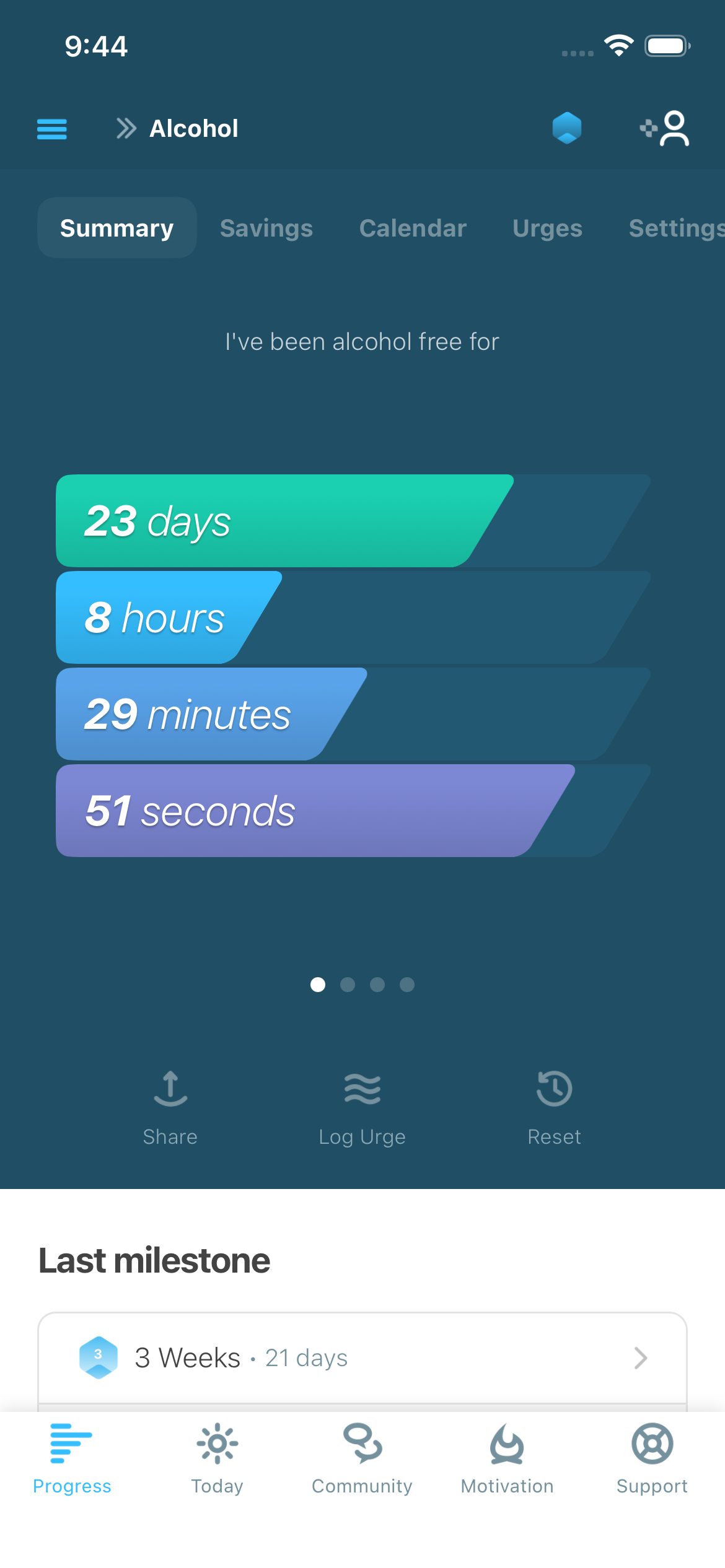
Line your sleep up against your alcohol-free days and the pattern usually jumps out. In I Am Sober, you can track your alcohol-free days and add daily notes on how you slept, so the connection stops being a guess.
Ready to make a change? We've got you!
I Am Sober is a sobriety and habit change app that helps people track their progress, reach new milestones, and build the daily support system they need to keep going.
How to build a better evening routine
If a drink was your wind-down cue, the fix is to give your evening a new one. A few things that help:
-
Swap the nightcap. Pick a non-alcoholic drink you like for the evening: herbal tea, a soft drink, sparkling water.
-
Set a wind-down cue. A shower, a book, a stretch, the same thing each night. Your brain learns the new signal.
-
Stop alcohol early. If you do drink, finish a few hours before bed so your body can clear it first.
-
Plan for the craving. Know what you will do when the urge for a nightcap hits, before it hits.
-
Keep the basics steady. A consistent bedtime, a dark room, and less screen time all do more once alcohol is out of the way.
Frequently asked questions
Does alcohol help you sleep?
It can help you fall asleep faster, but it makes your sleep lighter and more broken, with less REM. Most people sleep worse overall after drinking, even if they drop off quickly.
Why do I wake up in the middle of the night after drinking alcohol?
As your body clears the alcohol in the second half of the night, sleep gets lighter and more fragmented, so you wake more easily. Extra bathroom trips and dehydration add to it.
Does alcohol reduce REM sleep?
Yes. Alcohol suppresses REM sleep, the stage linked to memory and emotional processing, and the effect increases with larger amounts. That is a major reason you wake up groggy.
Can alcohol make sleep apnea worse?
Yes. Alcohol relaxes the throat muscles and narrows the airway, which can worsen snoring and sleep apnea. If you have or suspect sleep apnea, it is worth talking to a doctor.
How long after quitting alcohol does sleep improve?
The first nights can be uneven, sometimes with vivid dreams as REM rebounds. Many people notice steadier, more restorative sleep over the following days and weeks, though there is no exact timeline.
Sources
-
Sleep Foundation. "Alcohol and Sleep." https://www.sleepfoundation.org/nutrition/alcohol-and-sleep
-
"The effect of alcohol on subsequent sleep in healthy adults: A systematic review and meta-analysis," 2024. https://www.sciencedirect.com/science/article/pii/S1087079224001345
This page is general information, not medical advice. If sleep problems persist, talk to a doctor.
I Am Sober is a free app that helps you get some control back in your life.