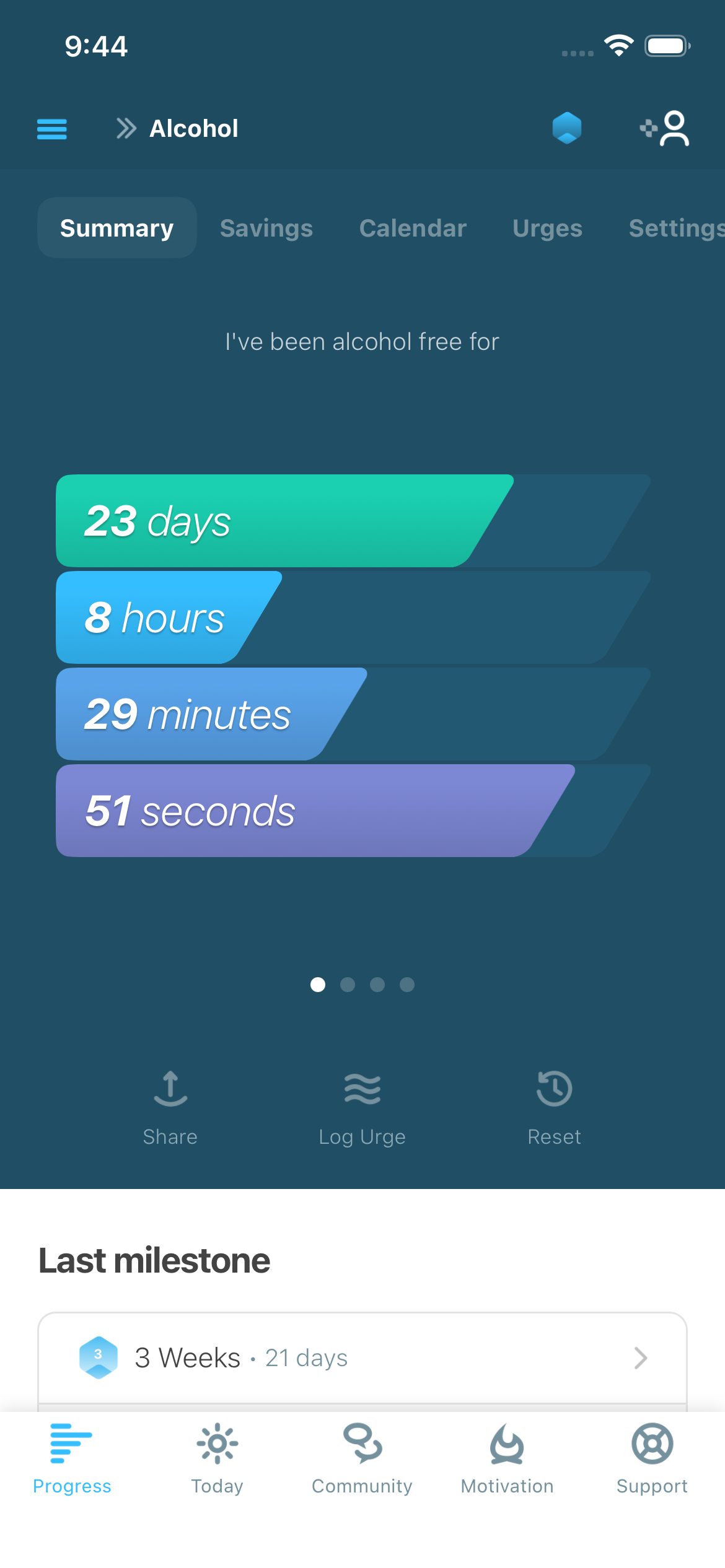
I Am Sober is a free app that helps you get some control back in your life.

Alcohol and Anxiety: Why Drinking Makes Anxiety Worse
Last updated: August 25, 2026Short answer: can alcohol make anxiety worse?
Yes. Alcohol can feel calming while you are drinking, then leave you more anxious once it wears off. It is a depressant, so the first drink can take the edge off. But as your body clears the alcohol, that calm often rebounds into more anxiety than you started with (Cleveland Clinic). Add poor sleep and a rough morning, and drinking to cope with anxiety can quietly become a cycle that makes it worse over time (Drinkaware).
Why alcohol can feel like it helps anxiety
There is a reason reaching for a drink when you are anxious feels like it works. In the moment, it often does.
Alcohol is a depressant. It slows down your brain and lowers your inhibitions, which can bring quick relief (Drinkaware). Social situations feel easier. The worry quiets down. Your shoulders drop.
That relief is real, and it is also short. The effects wear off within hours, and what comes next is usually the problem.
Why anxiety can get worse after drinking
As your body processes the alcohol, the calm goes into reverse. A few things pile on at once:
-
Rebound anxiety. Your brain adjusted to the alcohol's calming effect. When it clears, the balance tips the other way, and anxiety can climb higher than before you drank (Cleveland Clinic).
-
Poor sleep. Alcohol disrupts sleep quality, especially REM sleep, even if you fall asleep fast. Bad sleep and anxiety feed each other (Sleep Foundation).
-
A rough body. Dehydration, a headache, a racing heart, and a jittery feeling can all read as anxiety even when nothing is wrong.
-
Memory gaps and regret. Fuzzy memories of the night can turn into hours of "what did I say?" the next day (Drinkaware).
Put together, a night that started calm can end in a day of dread.
What is hangxiety?
Hangxiety is the anxiety that hits the morning after drinking. Hangover plus anxiety. It can show up as a general sense of dread, a racing mind, embarrassment about the night before, or physical jitters (Cleveland Clinic).
It can happen to anyone, even after an ordinary night out, and it tends to be worse if you already deal with anxiety (Drinkaware). For most people it fades over the day. Drinking again to make it stop only resets the cycle.
Alcohol, social anxiety, and avoidance
If social situations make you anxious, alcohol can look like the fix. A drink or two takes the pressure off, so you have one before every event, then during it.
The catch is that it teaches your brain you cannot handle those situations without it. Over time that can deepen the anxiety instead of easing it, and leaning on alcohol to socialize is especially common for people with social anxiety (Anxiety and Depression Association of America). What feels like a crutch slowly becomes part of the problem.
Alcohol withdrawal and anxiety
For people who drink heavily or daily, anxiety is also a core symptom of alcohol withdrawal. When the body has adapted to constant alcohol, taking it away leaves the nervous system overactive, and anxiety, shakiness, and a racing heart can follow (Drinkaware).
This matters for safety. Heavy or daily drinkers should not stop suddenly on their own, because alcohol withdrawal can become dangerous. Talk to a doctor first, so you can do it safely and with support if you need it. There is more on our alcohol withdrawal page.
When anxiety improves after cutting back
For a lot of people, cutting out alcohol lifts a layer of anxiety they did not realize it was adding. Better sleep, no more hangxiety, steadier mornings. There is no fixed timeline, though, and it does not work the same way for everyone.
If drinking was the main driver, you may feel a difference within a couple of weeks. In responses from the I Am Sober community, most people said their anxiety started to improve by around the two-week mark. If anxiety was there before the drinking started, cutting back can still help, but the underlying anxiety usually needs its own support to improve (Anxiety and Depression Association of America). Most people experience the two separately, so easing one does not automatically fix the other.
The thing that helps is watching your own pattern rather than expecting a set schedule.
What to track if anxiety is a reason you want to drink less
You do not have to guess whether alcohol is feeding your anxiety. You can watch it. Worth logging:
-
Mood. A quick daily read, so you can see trends, not just bad days.
-
Sleep. How you slept, and how you woke up.
-
Drinking. Whether you drank, and how much.
-
Morning-after anxiety. How you feel the day after drinking versus the day after not.
-
Cravings and triggers. When the urge to drink shows up, and what set it off.
-
Social settings. Which ones you leaned on alcohol to get through.
After a few weeks, the link (or the lack of one) is usually clear. In I Am Sober, you can log your mood and your alcohol-free days side by side and review them together, so the pattern shows itself instead of staying a hunch.
Ready to make a change? We've got you!
I Am Sober is a sobriety and habit change app that helps people track their progress, reach new milestones, and build the daily support system they need to keep going.
When to get professional help
Some anxiety needs more than a habit change, and reaching for help is a smart move, not a last resort. Talk to a doctor or a mental-health professional if:
-
Anxiety or panic attacks are frequent, intense, or getting in the way of daily life.
-
You cannot cut back on drinking even when you want to.
-
You get shaking, sweating, a racing heart, or strong anxiety when you stop drinking.
-
Anxiety is there most days, with or without alcohol.
If you ever have thoughts of harming yourself, treat it as urgent and reach out right away to a doctor, a crisis line, or emergency services. You deserve support, and it is available.
Frequently asked questions
Does alcohol cause anxiety?
It can. Alcohol may ease anxiety briefly, but as it wears off it often causes rebound anxiety that is worse than before. Over time, drinking to cope can make anxiety worse rather than better.
How long does anxiety after drinking last?
Hangxiety usually lasts through the day after drinking and eases as your body recovers. It can last longer if you drink again to relieve it, or if you already deal with anxiety.
What is hangxiety?
Hangxiety is anxiety the morning after drinking: hangover plus anxiety. It can feel like dread, a racing mind, embarrassment, or physical jitters, and it can happen to anyone.
Will quitting alcohol fix my anxiety?
It depends. If alcohol was driving your anxiety, cutting back can help within a few weeks. If anxiety was there before the drinking, quitting can help, but the anxiety usually needs its own support too. There is no guaranteed timeline.
Can alcohol withdrawal cause anxiety?
Yes. For heavy or daily drinkers, anxiety is a common withdrawal symptom. Because withdrawal can be dangerous, talk to a doctor before stopping rather than quitting suddenly on your own.
Sources
-
Cleveland Clinic. "Hangxiety: Why You Feel Anxious After Drinking." https://health.clevelandclinic.org/hangxiety-alcohol-and-anxiety
-
Drinkaware. "Alcohol and anxiety." https://www.drinkaware.co.uk/facts/health-effects-of-alcohol/mental-health/alcohol-and-anxiety
-
Drinkaware. "What is hangxiety and how do you deal with hangover anxiety?" https://www.drinkaware.co.uk/facts/health-effects-of-alcohol/mental-health/alcohol-and-hangxiety
-
Sleep Foundation. "Alcohol and Sleep." https://www.sleepfoundation.org/nutrition/alcohol-and-sleep
-
Anxiety and Depression Association of America. "Substance Use Disorders." https://adaa.org/understanding-anxiety/co-occurring-disorders/substance-abuse
This page is general information, not medical advice. If you are struggling with anxiety or your drinking, please talk to a doctor or a mental-health professional.
I Am Sober is a free app that helps you get some control back in your life.