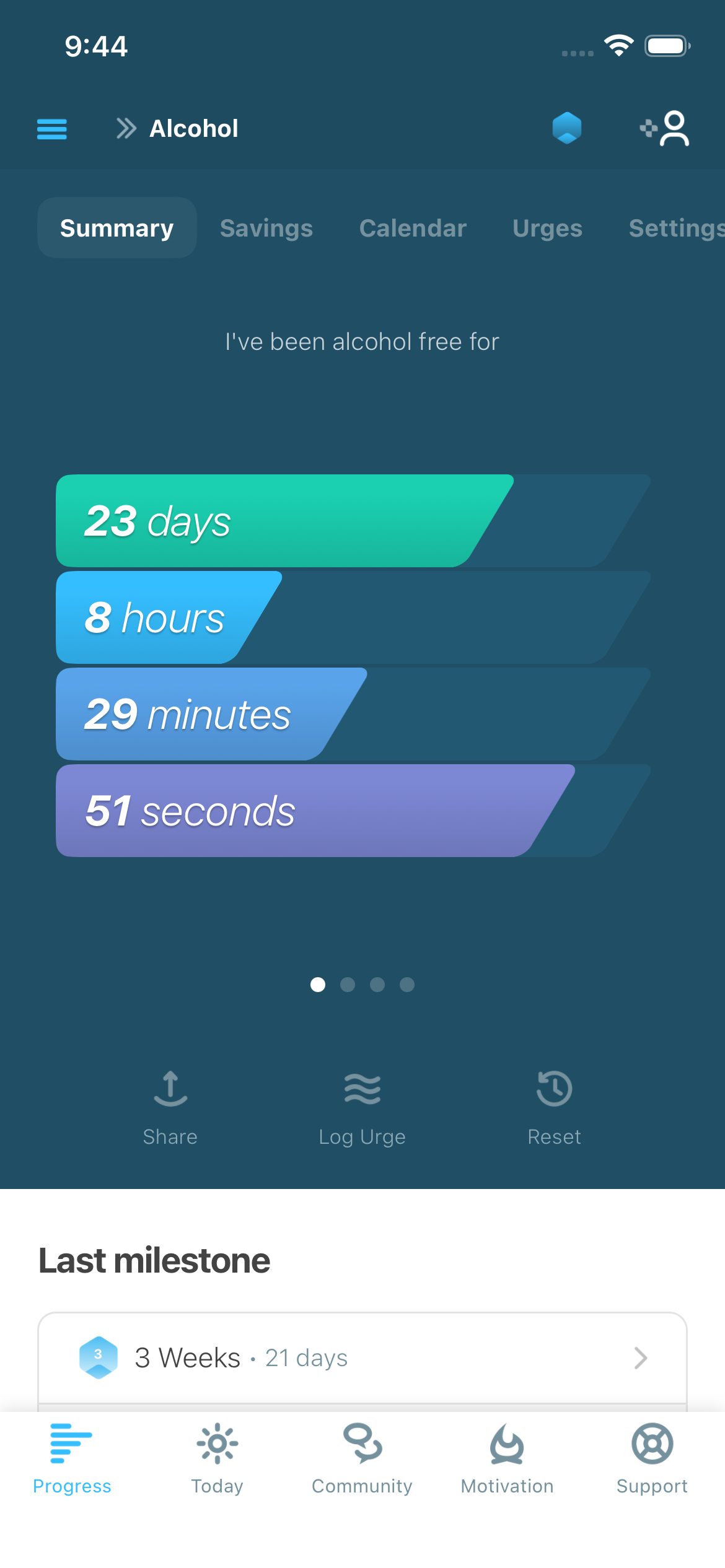
I Am Sober is a free app that helps you get some control back in your life.

Benefits of Not Drinking Alcohol: What Changes When You Stop
Last updated: August 25, 2026Benefits of Not Drinking Alcohol
Not drinking alcohol can improve your sleep, energy, mood, digestion, skin, fitness, blood pressure, and long-term health, along with the amount of money left in your account at the end of the month. Some of these changes can show up within days. Others build over weeks and months, and the longer-term health benefits depend on your drinking history, your overall health, and whether you keep going alcohol-free. You don't need a crisis, a label, or a "rock bottom" story to want any of this. Wanting to feel better is reason enough.
One important note before you start: if you drink heavily or every day, talk to a doctor or another healthcare professional before you stop suddenly. For some people, alcohol withdrawal can be serious, and a little medical guidance keeps your fresh start a safe one. If you're not sure what to look out for, here's a plain-language guide to alcohol withdrawal symptoms.
Who This Article Is For
A lot of writing about quitting alcohol assumes you've already decided something is badly wrong. This article takes a different starting point.
This is for people who want to feel better and are choosing alcohol-free living as a way to get there. You might be here because you want to:
-
Sleep more deeply and wake up clear-headed
-
Have steadier energy instead of an afternoon crash
-
Feel less anxious, especially the day after drinking
-
Support your fitness, weight, or training goals
-
Spend less and save more
-
Feel more in control of a habit that's been running on autopilot
You might drink socially or binge on weekends and want to stop completely. You might be sober curious, taking a short break, or trying a 30-day no-alcohol challenge like Dry January or Sober October. You might just be tired of how alcohol makes you feel and ready to test life without it.
All of those are valid reasons. The U.S. Centers for Disease Control and Prevention is clear that most people who drink more than they'd like do not have alcohol use disorder, and many can cut back or stop without specialized treatment (CDC). You can want the benefits of not drinking without needing to define yourself by a problem first.
Ready to make a change? We've got you!
I Am Sober is a sobriety and habit change app that helps people track their progress, reach new milestones, and build the daily support system they need to keep going.
The Benefits of Not Drinking Alcohol
Everyone's body and history are different, so think of these as changes many people notice, not guarantees. Alcohol affects people differently, and so does removing it.
Better sleep
Alcohol can make you fall asleep faster, but it disrupts the deeper, restorative stages of sleep, including REM, so you wake up less rested no matter how long you were in bed (Drinkaware). When you stop drinking, one of the first things many people notice is sleep that actually feels like sleep, and mornings that are easier to get out of.
More energy
Better sleep tends to bring better energy. Without the dehydration, broken sleep cycles, and recovery cost of regular drinking, a lot of people feel less sluggish during the day and more like themselves by mid-afternoon.
Less anxiety and fewer "hangxiety" mornings
That uneasy, jittery feeling the morning after drinking has a nickname for a reason. Alcohol can settle you in the moment but interferes with brain chemistry tied to mood, which can leave anxiety and low mood worse afterward (Drinkaware). Many people find that everyday stress feels more manageable once alcohol is out of the picture. If anxiety is one of your main reasons, this deeper look at alcohol and anxiety is a good next read.
Improved mood and mental clarity
When sleep improves and the morning fog lifts, thinking tends to get sharper. People often describe feeling more present, more focused, and more even from one day to the next.
Support for weight and fitness goals
Alcohol adds calories without nutrition, and it can quietly work against training, hydration, and recovery. Cutting it out won't do the work for you, but for many people it removes a real obstacle and makes it easier to stay consistent with the goals they already have.
Money saved
This one is simple and immediate. The cost of drinks, rounds, and deliveries adds up fast, and watching that money stay put is one of the most motivating early wins of going alcohol-free, partly because it's so easy to see.
Long-term health benefits
Over time, drinking less or not at all lowers your risk of a range of serious conditions. Public health guidance links reducing alcohol to lower risk of high blood pressure, heart disease, stroke, liver disease, digestive problems, a weakened immune system, and several types of cancer (CDC). Your personal level of benefit depends on how much you drank, for how long, and other factors like family history. But the general direction is consistent: less alcohol, lower risk.
Liver health markers
The liver does a lot of quiet work, and for many people, giving it a break from alcohol allows certain health markers to improve, as long as there hasn't already been lasting damage (Drinkaware). If you're curious about what actually happens here, we go deeper in liver health after quitting alcohol.
Clearer skin and better hydration
Alcohol dehydrates you, which can leave skin looking dull and tired. Many people notice better hydration and a healthier-looking complexion after stopping. It's a small change, but a visible one (Drinkaware).
More confidence and control
Underneath all the physical changes is something harder to measure: the quiet confidence that comes from doing what you said you'd do. Each alcohol-free day is proof that you can. That sense of control is often the benefit people are most surprised by.
Quitting Alcohol Timeline: What Changes Over Time
People often ask what happens when you stop drinking alcohol, and when. There's no exact schedule, since bodies and drinking histories vary too much for that, but here's a general sense of how things tend to unfold.
First 24 to 72 hours
The early days can be the hardest. You might notice cravings, mood swings, restless sleep, or irritability as your body adjusts. For people who drank heavily or daily, this window is also when withdrawal can become medically serious. That's exactly why heavy and daily drinkers should have professional guidance before stopping. If that's you, start with how to stop drinking and a conversation with your doctor.
After 1 week
Many people start to notice the first wins around now: no hangovers, better hydration, steadier energy, and mornings that feel more consistent. It's often the point where "this is hard" starts sharing space with "this is working."
After 2 to 4 weeks
This is where the benefits tend to become more visible. Sleep, mood, digestion, and exercise consistency often improve, and the money you're not spending starts to add up to a number you can actually feel.
After 30 days
A 30-day alcohol-free challenge is a powerful experiment because a month is long enough to see real patterns. You get a clear read on how alcohol was affecting your sleep, mood, cravings, and routines, and many people use what they learn to decide what comes next. If you want a structured version of this, here's our guide to 30 days without alcohol.
Research backs this up. In a study of moderate-to-heavy drinkers, a single alcohol-free month was linked to lower blood pressure (about a 6% drop in systolic pressure), improved insulin resistance, and reduced cancer-related growth factors (Mehta et al., BMJ Open, 2018). A separate study found improved liver markers after a month off (Munsterman et al., Alcohol and Alcoholism, 2018).
90 days and beyond
Longer term, the changes tend to shift from "new" to "normal." Routines get stronger, emotional regulation often improves, fitness becomes more consistent, and the long-term health benefits continue to build the longer you stay alcohol-free.
None of these are precise medical promises. They're patterns, and your timeline is your own.
See what 280,000+ people reported in their first month without alcohol
This free guide is built from real first-month check-ins by more than 280,000 I Am Sober members quitting or cutting back on alcohol. Select how often and how much you drink to see when hard days, urge moments, restarts, and mood shifts most often showed up for people with similar habits.
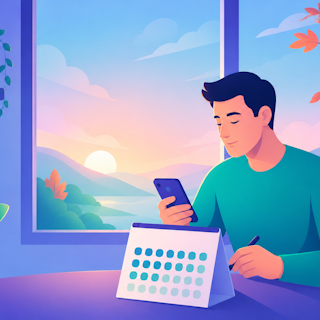
Make the Change Visible With I Am Sober
One real challenge with going alcohol-free for your health is that most of the benefits are quiet. Better sleep, steadier mood, more energy, money saved. They build slowly and are easy to miss day to day. On a hard evening, it's tough to remember how far you've actually come.
That's the gap I Am Sober is built to close. It turns your health experiment into something you can see.
With I Am Sober, you can:
-
Count your alcohol-free days so progress becomes a number you can see, not just a feeling
-
Save your reasons for quitting (sleep, energy, anxiety, fitness, money, confidence) and return to them when motivation dips
-
Make a daily pledge to stay alcohol-free, one day at a time
-
Track cravings and triggers so you start to understand your own patterns
-
See what you're gaining, including money saved and time reclaimed
-
Celebrate milestones at 7, 14, 30, and 90 days and beyond, so the quiet wins finally get noticed
You're doing the real work. I Am Sober just helps you see it, and connects you with a community of people choosing the same thing, on your terms and at your own pace.
If you're going alcohol-free to feel better, tracking is what makes "I think this is helping" turn into "I can see exactly how far I've come."
Start tracking your alcohol-free days
Ready to make a change? We've got you!
I Am Sober is a sobriety and habit change app that helps people track their progress, reach new milestones, and build the daily support system they need to keep going.
Frequently Asked Questions
What are the benefits of not drinking alcohol?
Not drinking can improve sleep, energy, mood, mental clarity, digestion, skin, and long-term health, while lowering your risk of conditions like high blood pressure, heart disease, and liver disease. Many people also save money and feel more in control. Some benefits appear within days; others build over weeks and months.
What happens when you stop drinking alcohol?
In the first few days you may notice cravings, mood changes, or disrupted sleep as your body adjusts. Within a week or two, many people see better sleep, more energy, no hangovers, and money saved. Heavy or daily drinkers should seek medical guidance first, because withdrawal can be serious.
How soon do you feel better after quitting alcohol?
It varies, but many people feel noticeably better within one to two weeks, especially in sleep, energy, and morning mood. The first few days can be uncomfortable, so it's worth giving the change a little time before you judge how it feels.
Can quitting alcohol improve sleep?
For many people, yes. Alcohol disrupts the restorative stages of sleep, so even a full night can leave you tired. Without it, a lot of people sleep more deeply and wake up more rested.
Can quitting alcohol help anxiety?
It can. Alcohol may calm you briefly but often worsens anxiety afterward, the familiar "hangxiety." Many people find day-to-day stress more manageable once they stop. You can read more about alcohol and anxiety here.
Can quitting alcohol help with weight loss?
It may. Alcohol adds calories without nutrition and can work against fitness goals, so removing it makes consistency easier for many people. It won't do the work on its own, but it often clears an obstacle out of the way.
What happens after 30 days without alcohol?
Thirty days is long enough to see real patterns in your sleep, mood, cravings, and routines. Many people notice clearer benefits by this point and use what they learn to decide whether to keep going. Here's a full guide to 30 days without alcohol.
Do I need to identify as an alcoholic to stop drinking?
No. You do not need to identify as an alcoholic to stop drinking. Many people choose alcohol-free living for sleep, energy, mental health, fitness, money, relationships, or personal growth. Most people who drink more than they'd like can cut back without specialized treatment.
Can an app help me stay alcohol-free?
It can, by making your progress visible. I Am Sober lets you count alcohol-free days, save your reasons, track cravings, see money saved, and celebrate milestones, so the quiet, slow-building benefits are easy to see and stay motivating.
What are the benefits of no alcohol for 3 months?
By three months, the early changes tend to feel less like a challenge and more like your normal. Sleep and energy are usually steadier, routines are stronger, and many people notice better emotional regulation and more consistent fitness. The longer-term health benefits keep building the longer you stay alcohol-free.
If you drink heavily or daily, talk to a healthcare professional before stopping suddenly, as alcohol withdrawal can be dangerous for some people. If you'd like help finding professional support, the NIAAA Alcohol Treatment Navigator is a free, evidence-based starting point.
Sources
-
NIAAA: What Is a Standard Drink?
-
Mayo Clinic Press: Quitting alcohol for your health
-
Drinkaware: What to expect when you stop drinking
-
NIAAA: Alcohol Treatment Navigator
-
Mehta G, et al. "Short-term abstinence from alcohol and changes in cardiovascular risk factors, liver function tests and cancer-related growth factors." BMJ Open, 2018. https://doi.org/10.1136/bmjopen-2017-020673Munsterman ID, et al. "Biochemical Effects on the Liver of 1 Month of Alcohol Abstinence in Moderate Alcohol Consumers." Alcohol and Alcoholism, 2018. https://doi.org/10.1093/alcalc/agy031
I Am Sober is a free app that helps you get some control back in your life.
Relevant articles
8 Ways Sobriety Will Improve Your Fitness

Alcohol Withdrawal Symptoms: Timeline, Warning Signs, and When to Get Help

Does Non-Alcoholic Beer Have Alcohol? What It Means for Sobriety

30 Days No Alcohol: Timeline, Benefits, and Tracker
Sober October: How to Do It, Plus the Best App to Track It
Sober Curious: What It Means and How to Try Drinking Less